
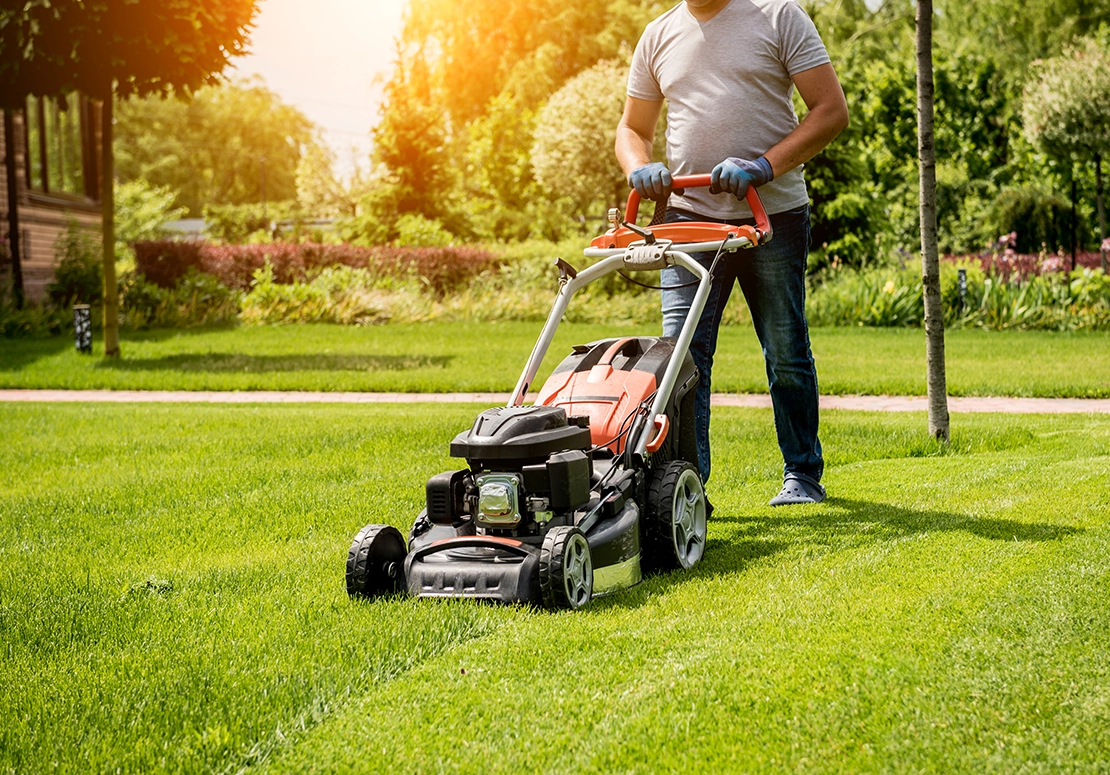
A healthy yard does more than look nice. It gives your home a calm, welcoming feel. Also, it gives your family a clean place to play, rest, and gather. When grass grows thick, your yard feels softer under bare feet. However, a lawn needs steady care to stay that way. Skipping simple tasks can lead to weeds, bare spots, pests, and weak roots. The good news is simple. You do not need fancy tricks. You need smart lawn care & maintenance done at the right time. With steady mowing, watering, feeding, and cleanup, your lawn can grow stronger each season. As a result, your yard can look better and handle stress with less trouble.
1. Healthy Grass Starts With Regular Mowing
Mowing may seem basic, yet it shapes the whole lawn. When you mow often, grass grows thicker. Then, thicker grass shades the soil and blocks many weeds. Proper mowing, sharp blades, and the right height help grass grow with better density. Clippings can also return nutrients when spread evenly.
So, do not cut grass too short. Short grass weakens roots and dries faster. Instead, keep most lawns at three inches or higher. Also, never remove more than one-third of the blade at one time.
- Mow when the grass is dry.
- Keep mower blades sharp.
- Change the mowing direction often.
“Your lawn does not need a haircut. It needs a healthy trim.”
2. Watering the Right Way Builds Deep Roots
Water can help your lawn thrive. However, too much water can hurt it. Light watering every day keeps roots near the top. Then, hot weather can stress the grass faster. Deep watering helps roots grow down, where the soil stays cooler. The University of Minnesota Extension recommends watering only when needed. It also suggests watering between 4 a.m. and 8 a.m. to reduce water loss.
This helps you save water and protect your yard. Also, it lowers the chance of fungus. Look for signs before watering. Grass may turn dull, footprints may stay, or blades may fold.
| Lawn Sign | What It Means | What To Do |
| Footprints stay | Grass needs moisture | Water deeply |
| Mushy soil | Too much water | Wait longer |
| Gray-green color | Early stress | Check soil |
3. Soil Care Feeds the Lawn From Below
Your lawn starts below the surface. If the soil feels hard, the grass roots struggle. Then, water and air cannot move well. Good soil gives roots space, food, and support. This matters because strong roots help grass survive heat, foot traffic, and dry weeks.
A soil test can show what your yard really needs. It can also stop guesswork. The University of Minnesota Extension recommends testing lawn and garden soil every three to five years. Test results can guide fertilizer choices, which may reduce waste.
Easy soil habits that help
You can build better soil with small steps. First, leave fine grass clippings when they do not clump. Next, rake heavy debris away. Finally, aerate compact soil when needed. Because healthier soil holds water better, your lawn can stay greener with less stress.
4. Weed Control Works Best With Prevention
Weeds love weak spots. So, the best weed control starts with strong grass. Thick turf leaves less room for crabgrass, dandelions, and clover. Also, steady lawn care & maintenance helps catch small weeds before they spread.
Pull weeds after rain, when the soil is soft. Then, try to remove the root. If you leave roots behind, many weeds return. Also, fill bare spots fast. Empty soil invites new weed seeds.
- Keep grass tall enough to shade the soil.
- Seed thin areas before weeds take over.
- Avoid overwatering, which can help some weeds.
“Every bare patch is an open door. Healthy grass helps close it.”
This simple approach saves time later. Instead of fighting a yard full of weeds, you build a lawn that protects itself.
5. Seasonal Care Keeps Your Yard Ready
Each season brings a new lawn need. Therefore, timing matters. In spring, remove sticks and leaves. Then, check for thin areas. Seed where the grass looks weak. In summer, mow high and water with care. During hot weeks, let grass grow a bit taller for shade.
In the fall, focus on repair. Cooler weather helps many grasses recover. Also, fallen leaves can block light and trap moisture. Rake or mulch them before they smother the grass. In winter, keep heavy items off frozen or wet turf.
A simple seasonal rhythm gives you peace of mind. You know what to do before problems grow. As a result, your yard looks cared for all year. More importantly, the grass gains strength when each task happens at the right time.
6. Lawn Maintenance Helps Your Home Feel Better
A clean, green lawn changes how a home feels. It makes the front yard more welcoming. Also, it gives the backyard a softer place for kids, pets, and guests. You may feel proud when you pull into the driveway. That feeling matters.
Healthy lawns can support the environment around your home. They can reduce soil erosion and filter stormwater runoff. They can also cool the air and reduce glare and noise.
That means lawn care & maintenance gives you more than curb appeal. It helps create comfort. It may also protect soil during heavy rain. Meanwhile, a tidy yard can reduce muddy areas near doors and walkways. So, your outdoor space becomes easier to enjoy and simpler to manage.
7. Smart Lawn Habits Save Time and Money
Good lawn habits often prevent bigger repairs. For example, mowing high can protect roots. Likewise, watering deeply can reduce stress. Soil testing can stop you from adding things your lawn does not need. Over time, these habits may save effort and money.
The EPA encourages yard choices that reduce fertilizer needs. It also supports choices that help water soak into the ground. Native plants and rain gardens can help with both.
Try this weekly mini-check:
- Look for dry spots.
- Watch for weeds.
- Check mower blades.
- Clear leaves and debris.
- Note any bare patches.
Because you check often, problems stay small. Then, you can fix them faster. Your yard also feels less like a chore. Instead, it becomes a simple routine that protects the beauty you already have.
8. Conclusion: A Beautiful Lawn Comes From Steady Care
A healthy yard does not happen by luck. It grows from small, steady choices. First, mow at the right height. Next, water only when needed. Then, care for the soil, stop weeds early, and follow the seasons. Together, these steps help your lawn grow thick, green, and strong.
Most of all, a cared-for lawn gives you a better place to live. It welcomes guests. It gives children room to play. Also, it brings quiet joy when you step outside after a long day.
So, think of lawn care & maintenance as care for your home’s outdoor heart. When your yard feels healthy, your whole home feels brighter. For homeowners who want service-specific support, BerryHill Landscapes provides lawn care & maintenance that helps yards stay healthy, neat, and beautiful.